Jason ChanI'm a first-year PhD student at NYU working on robot learning with Farshad Khorrami at the Control/Robotics Research Lab. I am supported by the National Science Foundation Graduate Research Fellowship (NSF GRFP). I completed my undergraduate degree at UCLA studying Computer Science, where I worked on robotics, brain-computer interfaces, and artificial intelligence for shared autonomy under Jonathan Kao at the Neural Engineering and Computation Lab. My previous work was fueled by my passion for the intersection between tech and healthcare where I employed data science for drug discovery at a research internship with Ionis Pharmaceuticals, software engineering at startup Block Clinical Inc., and research in blockchain for distributed and decentralized healthcare management for COVID-19 (under Tsung-Ting Kuo and Lucila Ohno-Machado @ UCSD's Division of Biomedical Informatics). I also worked with Dr. Lewis and contributed to open-source software cell2cell. As a community-oriented student, I built @ Nova, Tech for Good, a pro-bono tech consulting club assisting local non-profits. I was also involved in the LA Japanese American community and co-wrote, co-directed, and co-produced a performance at Royce Hall showcasing traditional music, dancing, singing, and a drama component for the Los Angeles Japanese American community, with over 1,000 attendees. Email / GitHub / Google Scholar / LinkedIn |
|
ResearchI'm currently researching in embodied intelligence. Here are some of my past manuscripts. |
|
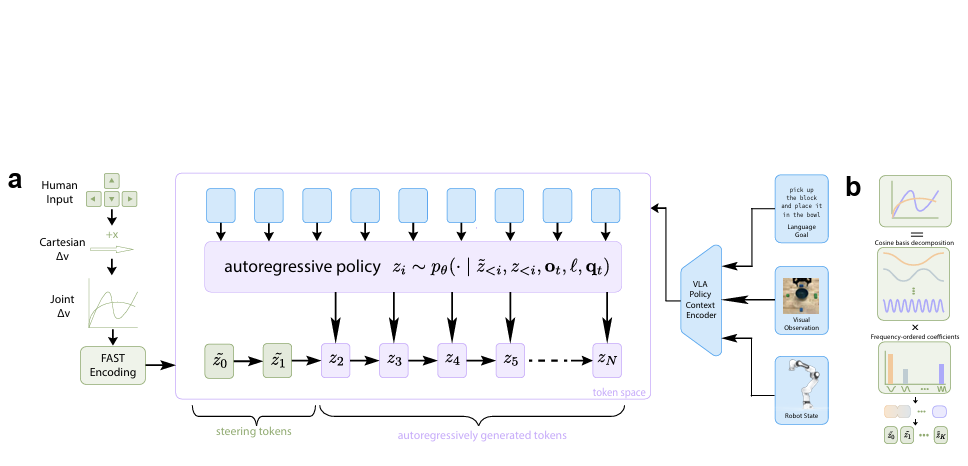
Steering Autoregressive Vision-Language-Action Policies via Action Token InterventionJason Chan, Jonathan C. Kao The Tenth Annual Conference on Robot Learning (CoRL), 2026 arxiv / website / Token Steering (TS) allows users to steer autoregressive vision-language-action models. For systems that use token representations for actions, TS works in the native token-space to steer the model without the need for any finetuning while preserving the pretrained model’s task priors. |
|
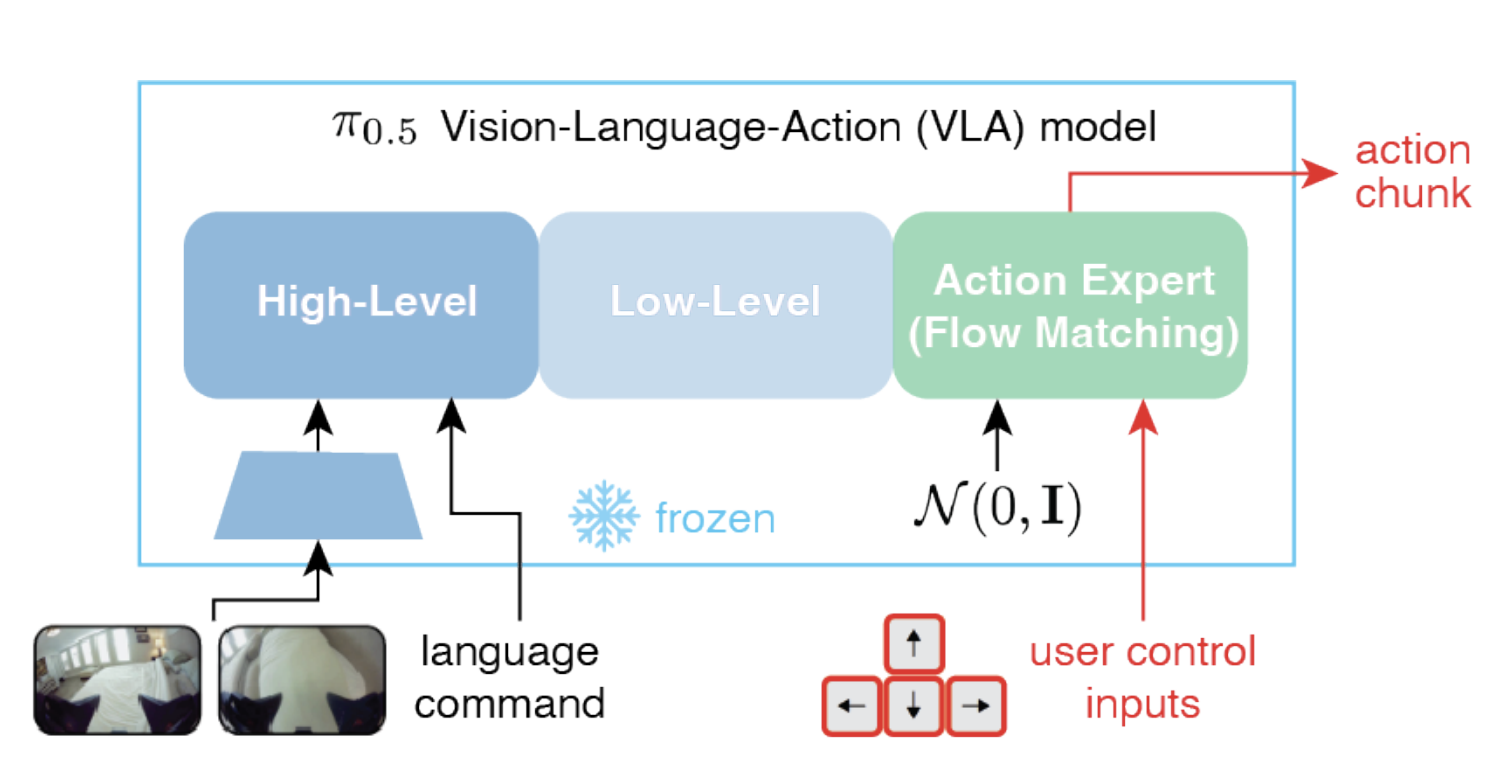
Flow Control: Steering Vision-Language-Action Models with Simple Real-Time InputsJonathan C. Kao, Jason Chan, Andy Wang The Tenth Annual Conference on Robot Learning (CoRL), 2026 arxiv / website / Out-of-the-box method for steering flow-based vision-language-action models through a low-dimensional keyboard input such as a keyboard. Flow Control sets the initial condition of the starting noise for the denoised action trajectory to allow users to steer the policy. |
|
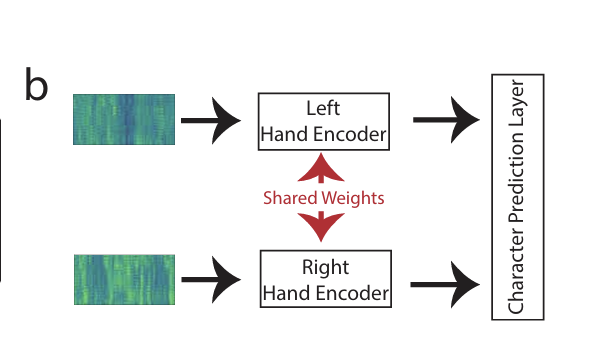
SplashNet: Split-and-Share Encoders for Accurate and Efficient Typing with Surface ElectromyographyNima Hadidi, Jason Chan, Ebrahim Feghhi, Jonathan Kao The Thirty-Ninth Annual Conference on Neural Information Processing Systems (NeurIPS 2025), 2025 arxiv / code / A novel architecture that achieves state-of-the-art performance for EMG keystroke decoding from Meta Reality Labs’ emg2qwerty benchmark. |
|
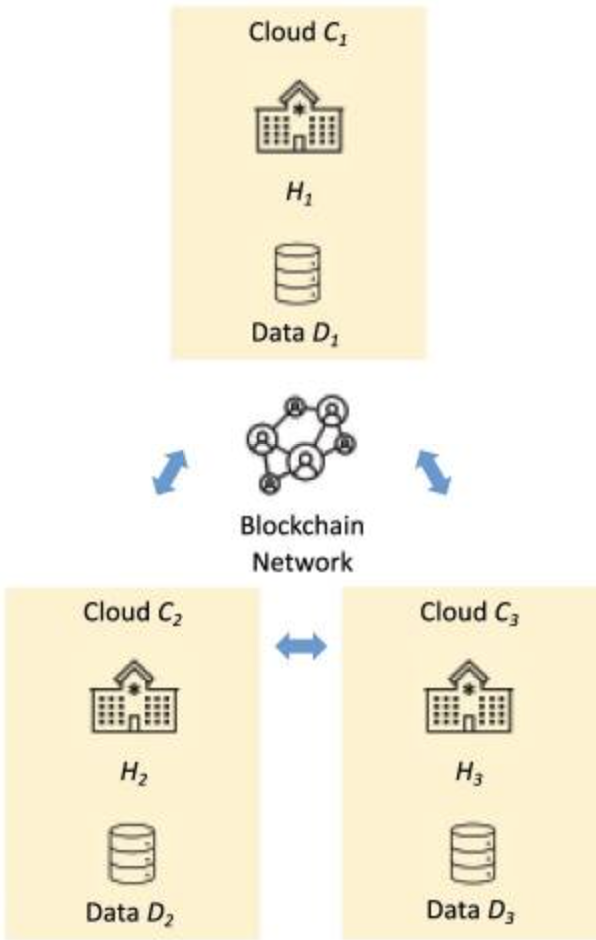
Blockchain-enabled immutable, distributed, and highly available clinical research activity logging system for federated COVID-19 data analysis from multiple institutionsTsung-Ting Kuo, Anh Pham, Maxim E Edelson, Jihoon Kim, Jason Chan, Yash Gupta, Lucila Ohno-Machado; The R2D2 Consortium Journal of the American Medical Informatics Association, 2023 paper / We aimed to develop a distributed, immutable, and highly available cross-cloud blockchain system to facilitate federated data analysis activities among multiple institutions. |
|
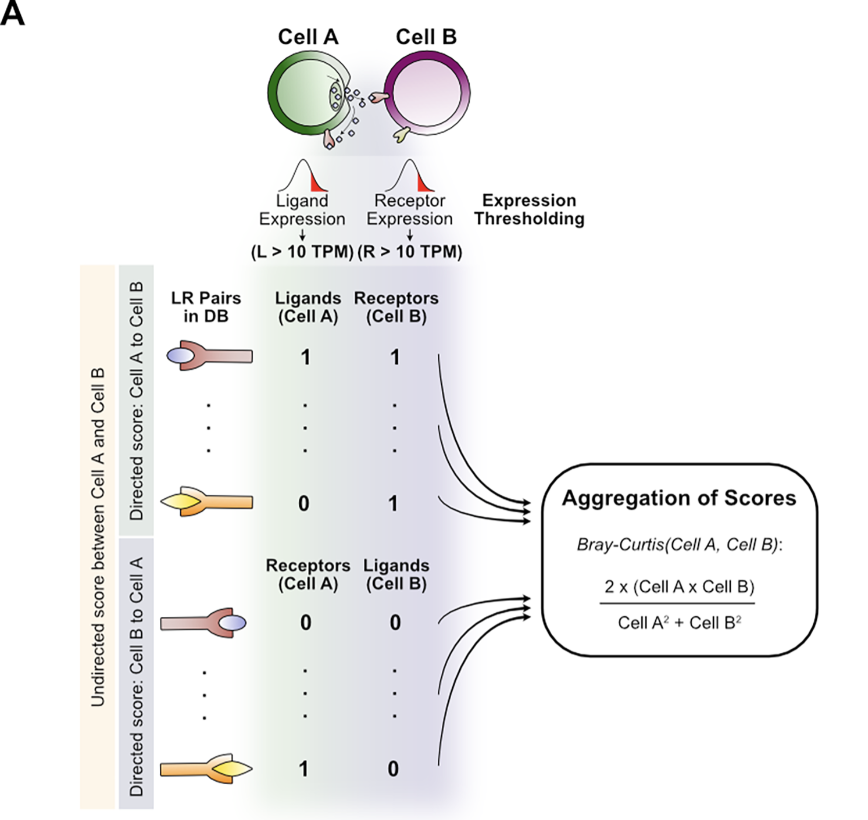
Inferring a spatial code of cell-cell interactions across a whole animal bodyErick Armingol, Abbas Ghaddar, Chintan J. Joshi, Hratch Baghdassarian, Isaac Shamie, Jason Chan, Hsuan-Lin Her, Samuel Berhanu, Anushka Dar, Fabiola Rodriguez-Armstrong, Olivia Yang, Eyleen J. O’Rourke , Nathan E. Lewis PLOS Computational Biology, 2022 paper / We present a computational framework to infer the spatial code underlying cell-cell interactions from the transcriptomes of the cell types across the whole body of a multicellular organism. |

|
Classifying allergic rhinitis subjects and identifying single nucleotide polymorphisms using a support vector machine approachJason Chan International Young Researcher's Conference 2021, 2021 paper / Support Vector Machine to classify individuals on the basis of allergic rhinitis, as well as identify key Single Nucleotide Polymorphisms. Won Best Paper/Presentation & $1,000 Award |
ProjectsThese include coursework, side projects and unpublished research work. |
|
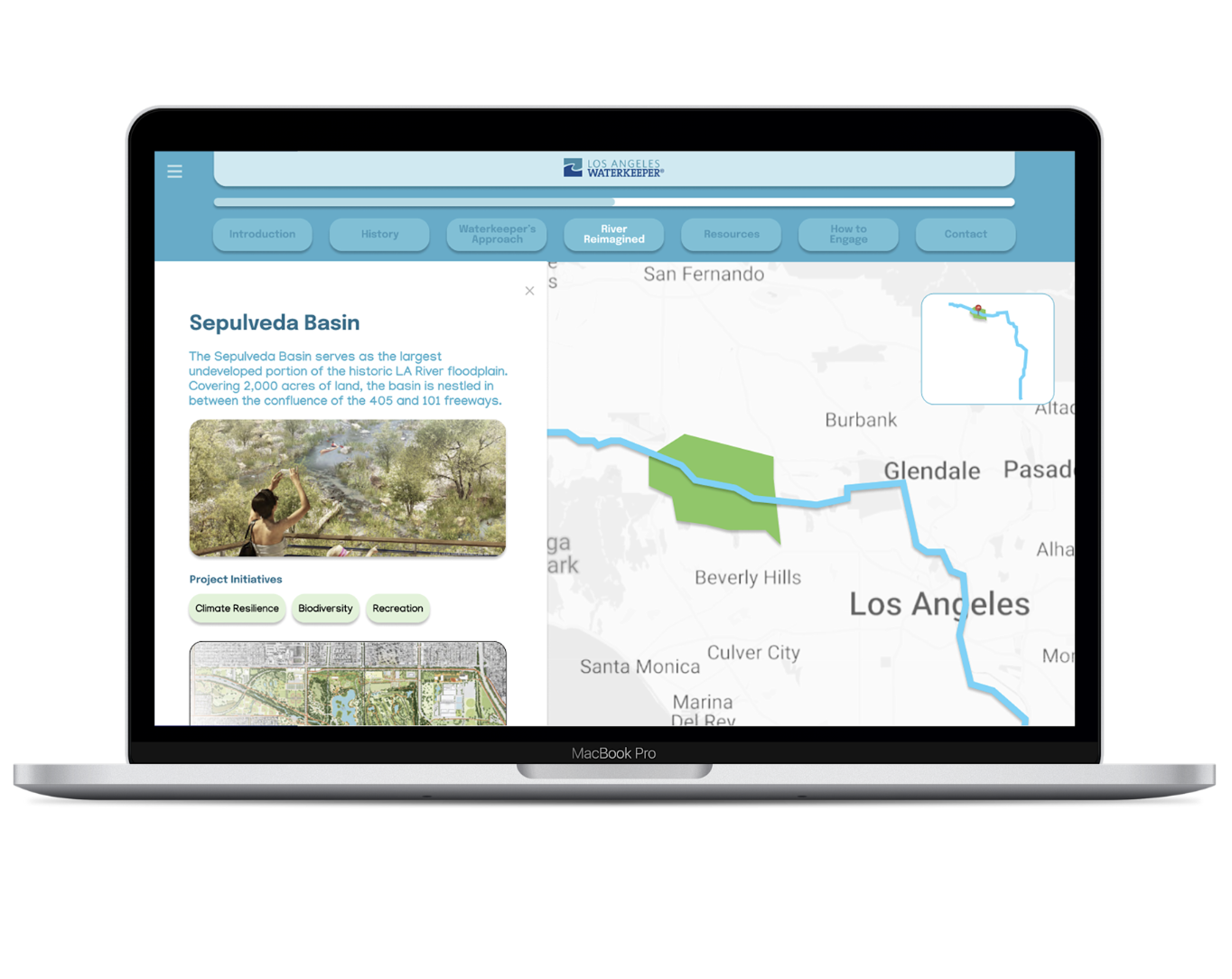
LA Waterkeeperconsulting | Nova, Tech for Good 2025-06-12 website / Partnering with non-profit LA Waterkeeper, our team created an interactive web app to help educate the public about the LA River’s history, importance, and future. The app includes an interactive map that shows active project areas along the river and highlights key project areas. Along with the interactive map, we added a key focus area on the website known as the “7 Wins,” which includes biodiversity, water supply, habitat restoration, water quality, climate resilience, public access, and cultural heritage. Through an engaging, user-friendly design, the app empowers users to learn more about the river’s role in the local ecosystem and how ongoing efforts are shaping a healthier, more sustainable Los Angeles. |
|
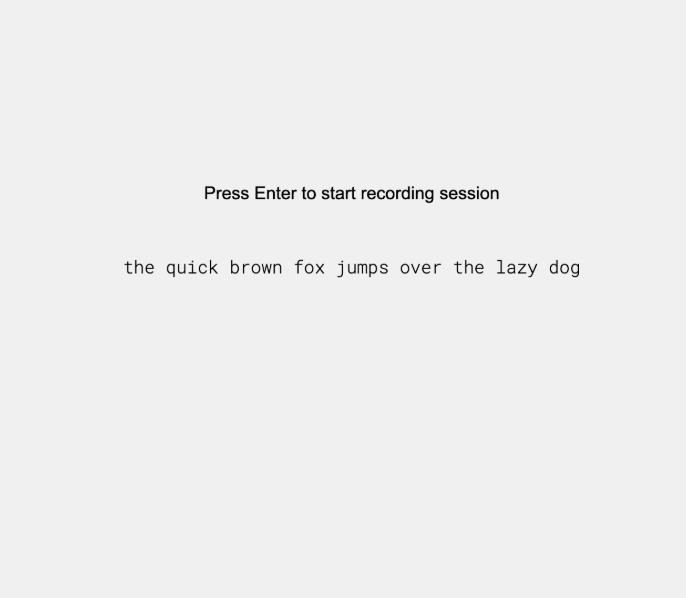
Myo Armband MonkeyTypeinfrastructure | Neural Engineering and Computation Lab 2025-05-20 code / Using Thalmic Labs’ Myo Armband to collect electromyography signals, I created a mock MonkeyType data collection platform to collect in-house EMG-keystroke aligned data for our lab to quickly collect data for downstream model training and inference. |
|
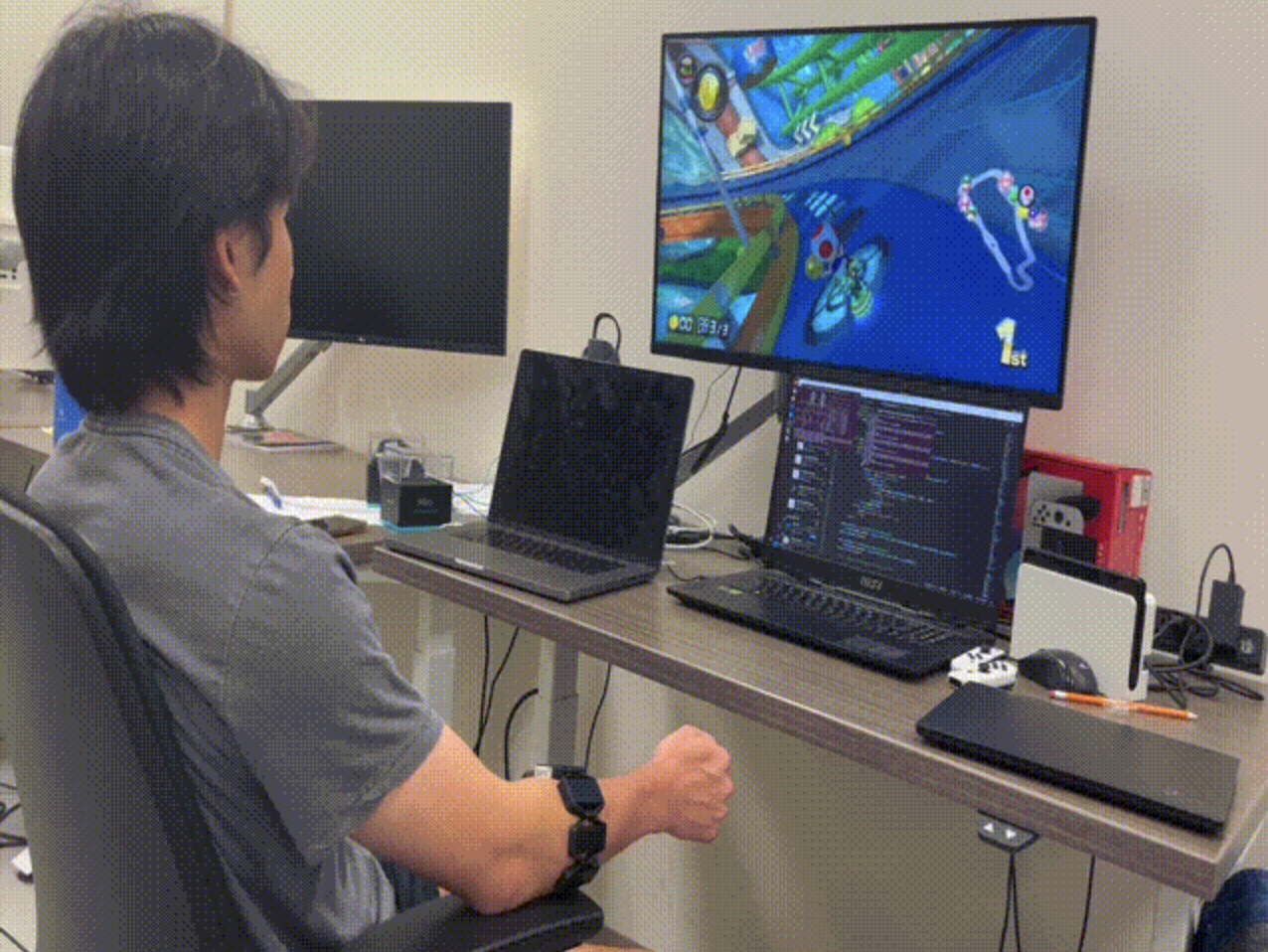
Neural Controlled Mario Kartinfrastructure | Neural Engineering and Computation Lab 2024-06-21 video / code / Inspired by Neuralink’s Mario Kart demo with their invasive implant, I created a non-invasive interface for users to play control a Nintendo Switch with sEMG signals. |

|
CoachArt Internal Reimbursement Toolconsulting | Nova, Tech for Good 2024-04-25 website / Project lead for a non-profit partnership with CoachArt, spearheading the development of an internal reimbursement application to improve operational efficiency for 2,400+ volunteers that mentor kids affected by serious illnesses. Integrated one-click auto-PDF generation that tracked spending reports and invoices of hundreds of volunteers per month. Developed LoFi and HiFi wireframes using Figma to match branding of non-profit. |

|
Appetiteproject | CS 35L 2023-12-05 code / APPetite is mobile application designed to enhance the dining experience for UCLA students. The platform serves as a yelp for the three dining halls, allowing students to rate the individual dishes and see previous reviews for dishes the dining halls is serving that day. |
|
Design and source code from Jon Barron's website |